Success message
Error message
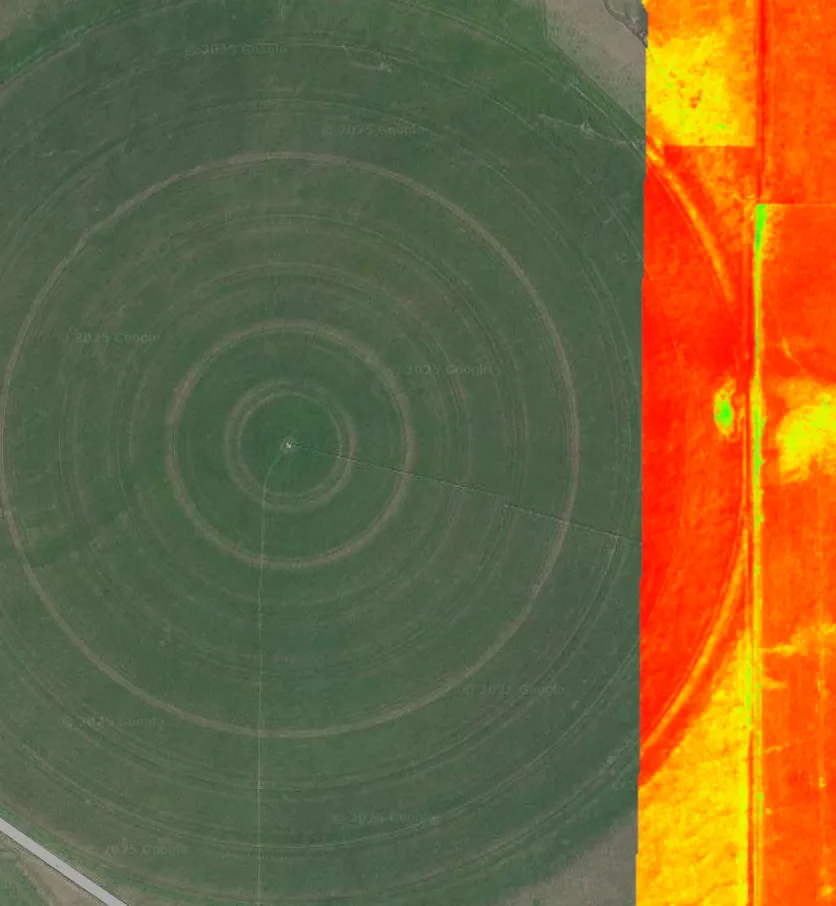
Multispectral imaging is transforming how farmers monitor crop health. By capturing data in wavelengths beyond visible light—like near-infrared and red-edge—this technology detects plant stress, disease, and nutrient issues early, often before they’re visible to the naked eye.
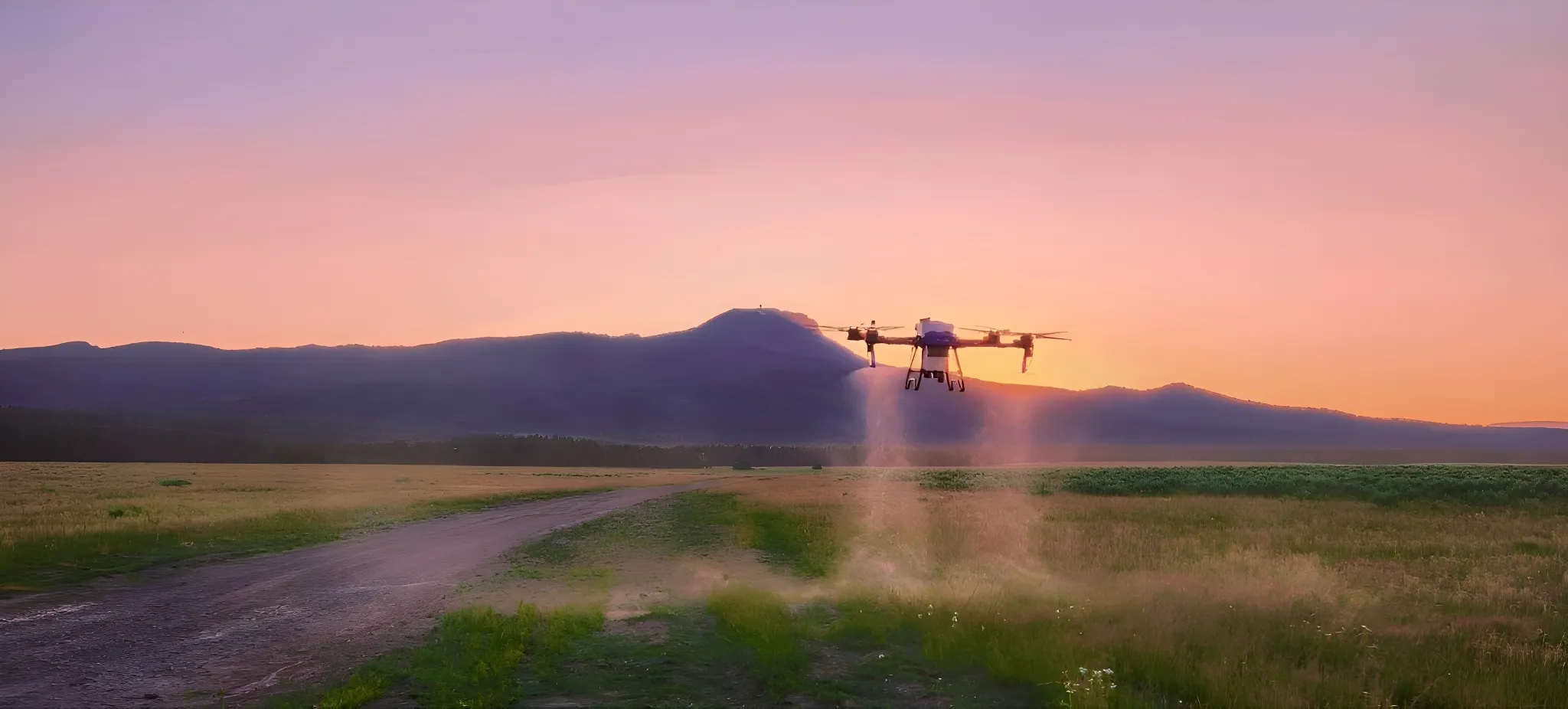
Using drones to apply fertilizers and pesticides offers a precise, efficient alternative to traditional ground or aerial methods. They can target specific areas with minimal waste, reducing chemical use and environmental impact. Drones are especially effective in hard-to-reach or uneven terrain, helping farmers treat crops quickly and consistently. This technology saves time, lowers costs, and supports more sustainable farming practices.
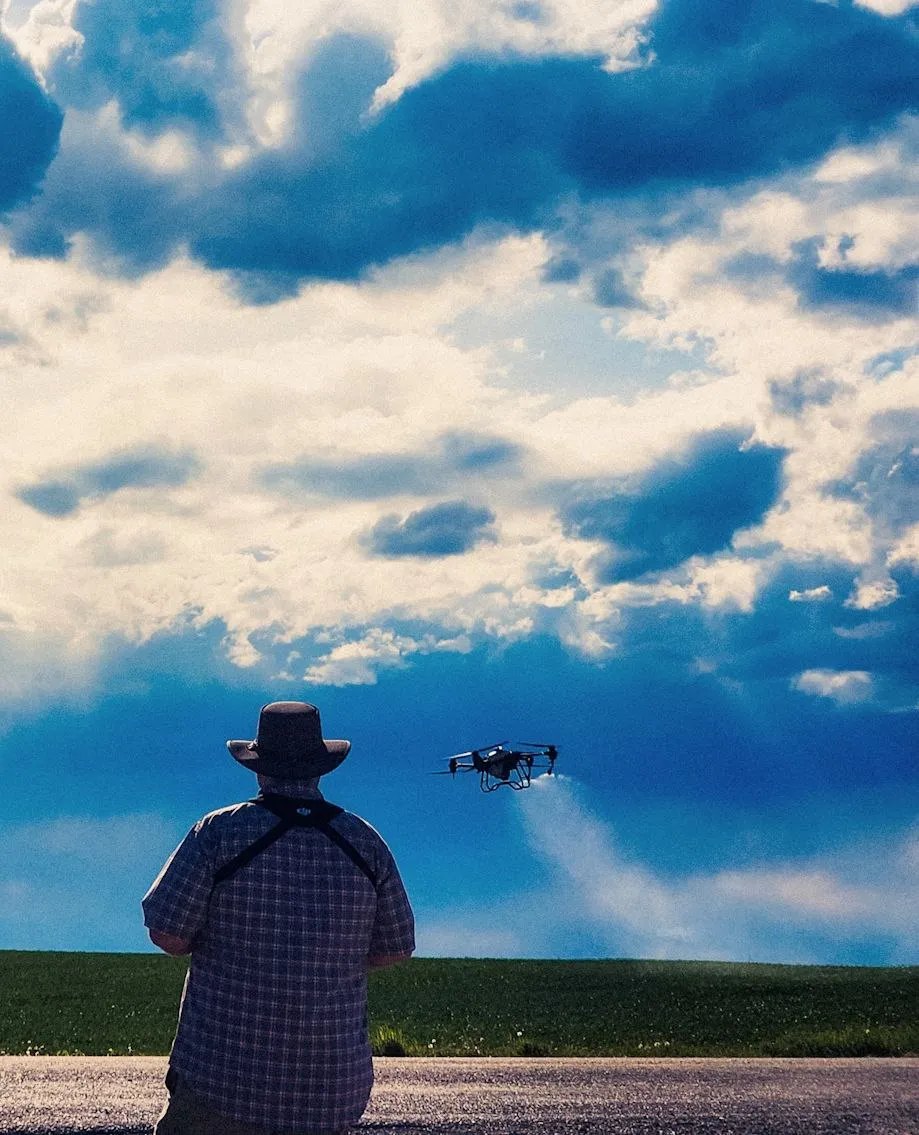
Drones are an effective tool for rangeland weed control, allowing targeted herbicide application across large or difficult-to-access areas. They reduce the need for manual spraying or ground vehicles, minimizing soil disturbance and labor costs. With GPS guidance and precision nozzles, drones can treat invasive weeds accurately while protecting desirable vegetation. This approach helps maintain healthy rangelands and supports long-term land management goals.